


Surplus solar doesn't go to waste — it's credited on your bill. Here's exactly how the mechanism works, who it suits, and what it means for payback.
What net-metering actually is
A rooftop solar system generates the most power in the middle of the day — often more than your business is using at that moment. Net-metering is the arrangement that lets you export that surplus to the grid instead of wasting it. A specially commissioned meter tracks two things: How much you draw from the grid, and how much you send back. A billing time, you're charged on the net — hence the name.
In simple terms: the grid becomes your battery. You "deposit" surplus power by day and "withdraw" it when your panels aren't producing.
How it works, step by step
- • Daytime surplus: your panels produce more than you consume; the unused left over is fed to grid.
- • The meter counts both ways: it measures both import and export separately.
- • You're billed on the net: exports are credited against import, so you only pay for what you used beyond what you generated.
- • Credits carry: depending on the policy period, unused export credits can carry forward within the settlement window.
Who benefits most
Net-metering is ideal for anybody with a grid connection and daytime space (roof, unused land). If you need power primarily in the daytime you're using daytime import - makeup - with generation. If you use it evenly — net-metering ensures you don't lose that solar. Only completely off-grid locations needing a digit missing off or row site avoid net-metering parameters.
What it means for payback
Payback depends on your tariff, your consumption pattern, the system size and any subsidy you qualify for. Rather than quote a generic figure, we model it for your specific site in a viability study — so the payback numbers you get is secure, not an industry average.
How PowerXP handles it for you
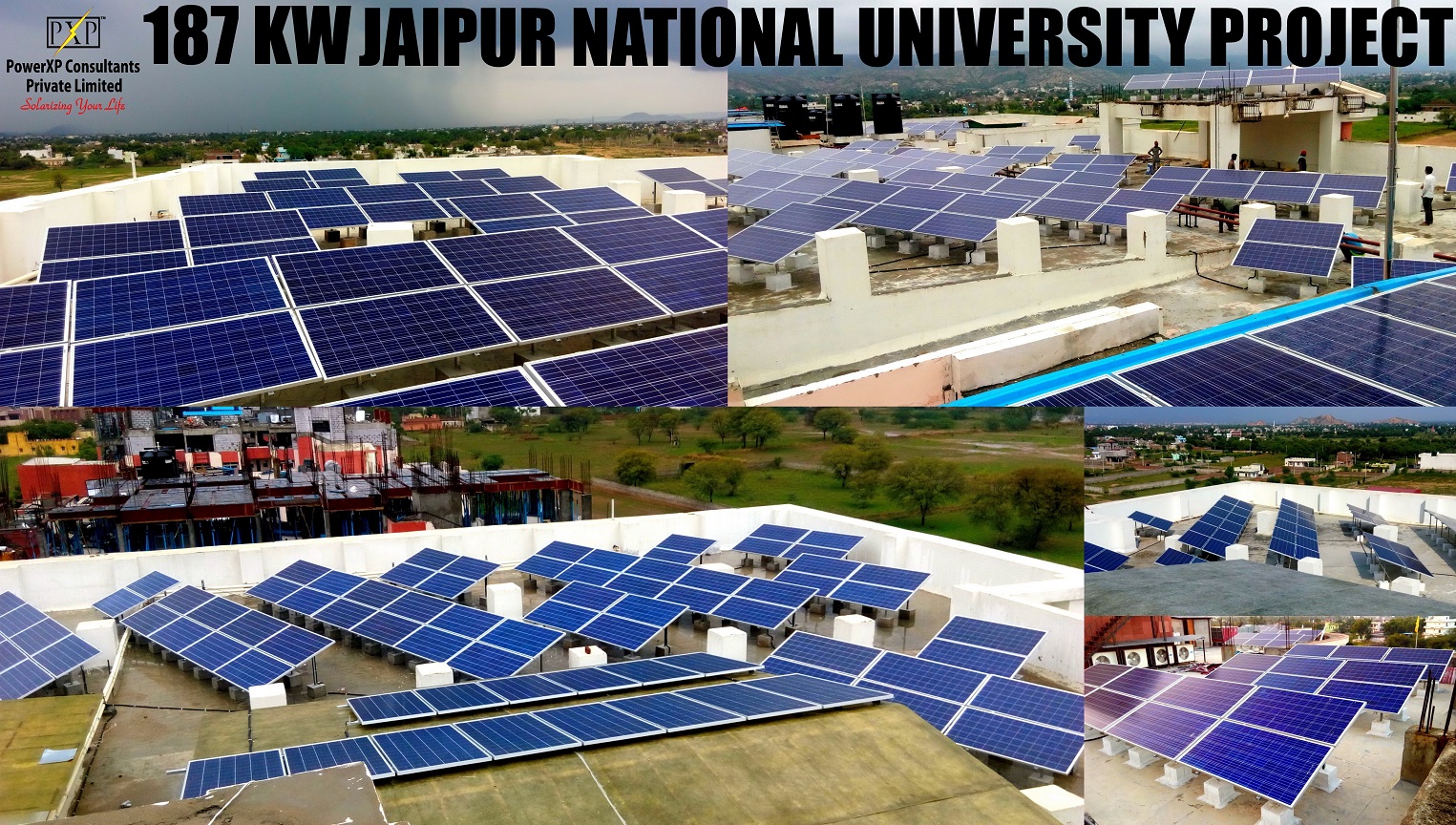
The paperwork is the part most people dread, and it's exactly the part we take off your plate. We've been running on-grid, net-metered projects in the Bikaner region since we net-metered the district's first rooftop in 2016. That means DISCOM coordination, net-meter installation and grid synchronisation are a standard, well-practiced part of our turnkey scope — not an afterthought.
This guide is general information. For policy details related to Rajasthan net-metering limits (e.g. system size limits) - reach out for a viability study specific to your installation.